Tourist Guide to Sri Lanka 2026 : Discover the Joys of Travel
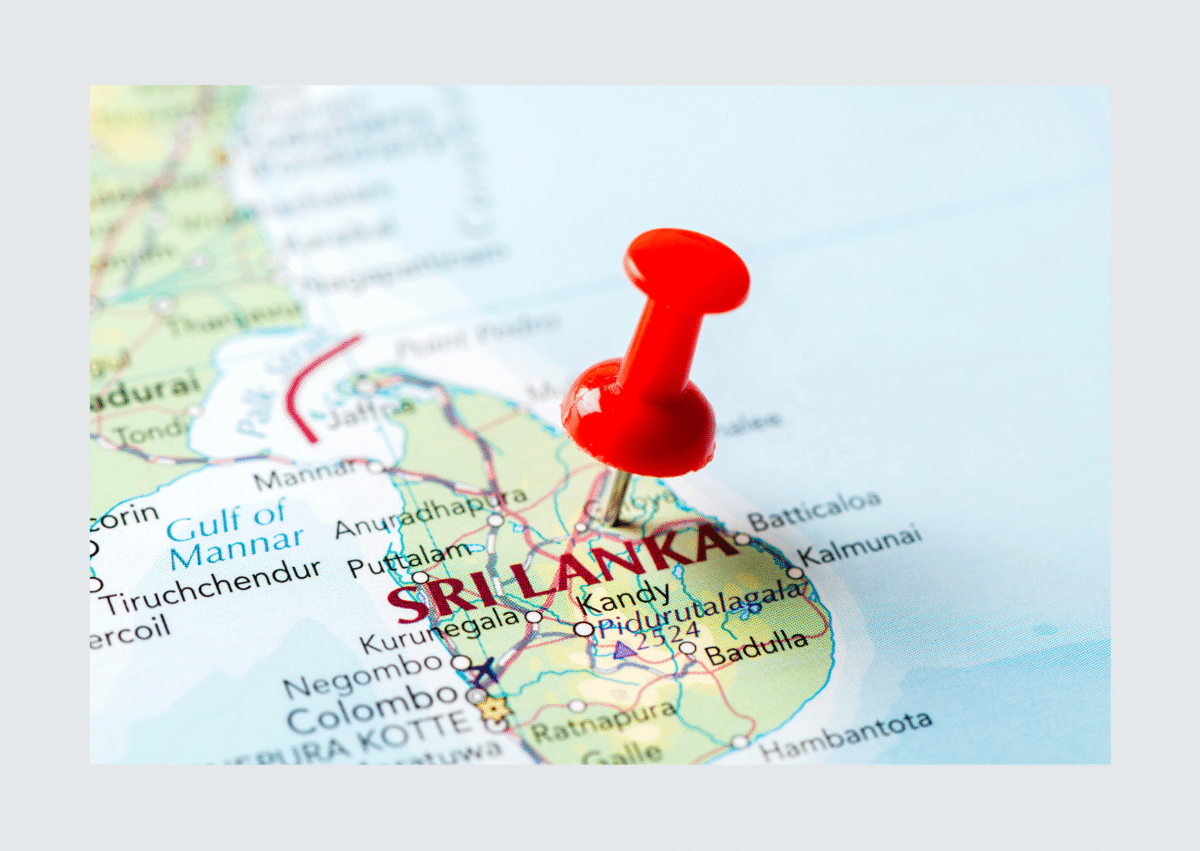
Getting to Know Sri Lanka: Geography and Size
Sri Lanka, the pearl of the Indian Ocean, is a small yet incredibly diverse island nation located just south of India. For travelers, understanding its geography is essential for planning your adventures. This tourist guide to Sri Lanka will help you navigate the country’s unique landscapes, from golden beaches to misty highlands.
The island stretches about 432 km from north to south and 224 km from east to west, making it relatively easy to explore in a single trip. Despite its modest size, Sri Lanka offers an astounding variety of climates, ecosystems, and cultural experiences—all captured in this tourist guide to Sri Lanka.
Sri Lanka is divided into nine provinces, each with its own charm. The Western Province, home to Colombo and Negombo, is the urban and commercial heart. The Central Province boasts the misty hill country with tea plantations, waterfalls, and hiking trails. The Southern and Eastern Provinces offer pristine beaches, surfing hotspots, and cultural towns.
By choosing to read this tourist guide to Sri Lanka, you’re taking the first step to experiencing the island like a local, planning the perfect itinerary, and discovering hidden gems that most tourists miss.
- “Explore how to get around Sri Lanka efficiently.” with Rush Lanka
- “Find the best places to stay in each province.” with Rush Lanka
Check here for Sri Lankas official tourist site for more details – Official Sri Lanka Tourism Board: https://www.srilanka.travel
Weather & Best Time to Visit Sri Lanka
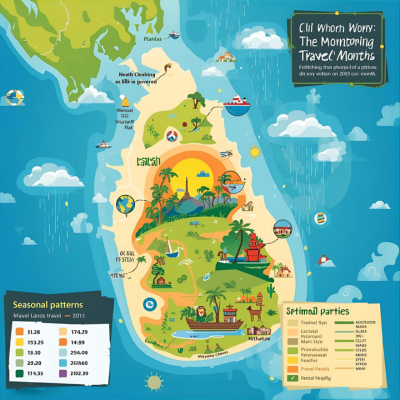
Understanding the weather is crucial for planning your trip. Sri Lanka has a tropical climate with two distinct monsoon seasons affecting different parts of the island. Knowing the best time to travel can make a huge difference in your experience, which is why this tourist guide to Sri Lanka emphasizes seasonal planning.
The southwest monsoon runs from May to September, bringing rain to Colombo, Galle, and the southern beaches. Meanwhile, the northeast monsoon from December to February affects the northern and eastern regions, such as Trincomalee and Jaffna. Between these monsoons, there are optimal periods for visiting different parts of the island.
- For beach lovers: The southwest coast is ideal from December to April, while the east coast is best from May to September.
- For hill country exploration: December to April is perfect for hiking, tea plantations, and exploring Nuwara Eliya or Ella.
- For cultural travelers: Major festivals like Esala Perahera in Kandy fall in July/August, making these months vibrant and exciting.
By using this tourist guide to Sri Lanka, you can plan your trip around the weather, ensuring outdoor adventures, beach activities, and cultural tours are at their best. Rain shouldn’t deter you, as short showers often refresh the landscape and add to the lush scenery.
- “Check detailed guides on when to explore each region.”
- “Discover hiking trails and scenic hill country escapes.”
People, Culture & Beliefs
Sri Lanka is renowned not only for its landscapes but also for its warm, hospitable people. Understanding the culture and beliefs in Sri Lanka can greatly enhance your visit, allowing for meaningful interactions and a richer travel experience.
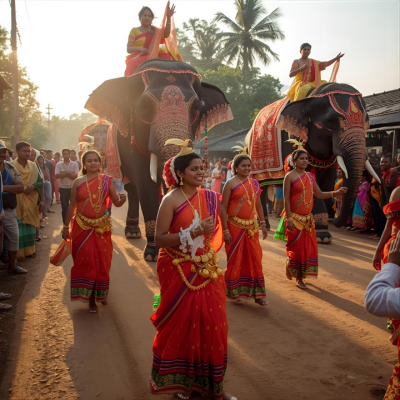
Sri Lankans are known for their friendliness and respect toward guests. A simple smile goes a long way, and showing appreciation for local customs is highly valued. Family, community, and traditions play a central role in daily life. Festivals, temple visits, and communal gatherings are a common part of village life, and tourists are often warmly welcomed to participate.
Key aspects of Sri Lankan culture include:
- Hospitality: Staying in local homes or participating in community experiences offers genuine connections.
- Respect for elders and religious sites: Always remove shoes when entering temples, dress modestly, and follow local etiquette.
- Celebrations and rituals: From Sinhala and Tamil New Year in April to Vesak in May, witnessing local festivals provides an unforgettable cultural immersion.
By being mindful of these traditions, your trip becomes more than sightseeing—it becomes a cultural journey in Sri Lanka. Local guides can help you navigate these experiences respectfully, whether you’re attending a festival, visiting a temple, or learning traditional crafts.
- “Learn more about customs, dining etiquette, and public behavior here.”
- “Consider staying with a local family for immersive cultural experiences.”
- Sri Lanka Tourism Official Cultural Guide: https://www.srilanka.travel
Religions in Sri Lanka
Understanding the religions in Sri Lanka is essential for any traveler who wants a meaningful visit. Religion shapes local traditions, architecture, festivals, and daily life across the island. By learning about the religions in Sri Lanka, you can navigate cultural norms respectfully and gain a deeper connection with local communities.
The major religions in Sri Lanka include:
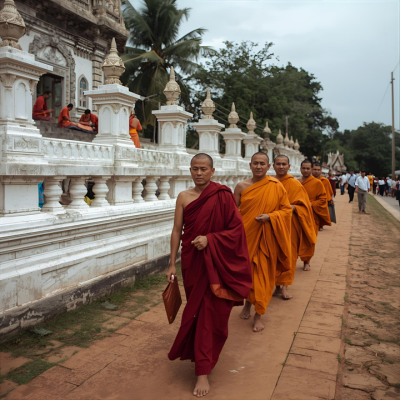
- Buddhism: Practiced by about 70% of the population, Buddhism influences everything from temple architecture to meditation rituals. Don’t miss sacred sites like the Temple of the Tooth in Kandy and the ancient city of Anuradhapura.
- Hinduism: Mostly followed in the Northern and Eastern provinces, Hindu temples are colorful and vibrant. A notable destination is the Nallur Kandaswamy Kovil in Jaffna.
- Islam: Muslim communities are spread across the island, and mosques are central to town life. Ramadan and Eid celebrations are a vital part of the calendar.
- Christianity: Found mainly in coastal areas, with colonial-era churches reflecting Portuguese and Dutch heritage.
When exploring religious sites, observe local etiquette: cover shoulders and knees, remove shoes, and always ask before photographing. Experiencing the religions in Sri Lanka firsthand gives insight into festivals, rituals, and community life that many tourists miss.
- Sri Lanka Department of Archaeology: http://www.archaeology.gov.lk
Languages Spoken in Sri Lanka
Understanding the languages spoken in Sri Lanka is an important part of your travel experience. As you explore this diverse island, knowing a few basics will help you communicate and connect with locals more easily.
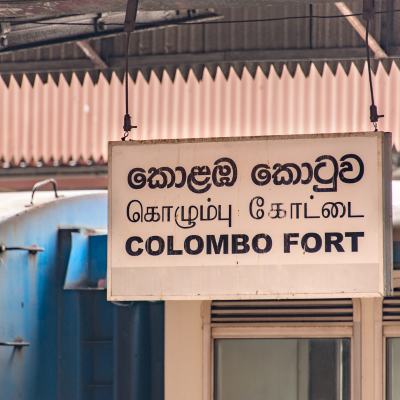
Sri Lanka has two official languages: Sinhala and Tamil, along with English widely spoken in urban areas, hotels, and tourist hotspots. Sinhala is primarily spoken in the southern, central, and western regions, while Tamil is dominant in the northern and eastern provinces. English often serves as a bridge between communities and is commonly used in signs, transport, and business.
For travelers, learning simple phrases in Sinhala or Tamil can go a long way in building rapport with locals. Greetings, thank-you phrases, or asking for directions in the local language is appreciated and can lead to more authentic interactions.
As part of your Tourist Guide to Sri Lanka, knowing about languages helps you prepare for cultural immersion, from ordering food at a local homestay to bargaining at vibrant markets. Many guides and tours also provide translation or language tips, which you can find on our Travel Light Marketplace or local experience listings.
Tips for Language Use in Sri Lanka:
- Most signage in major cities is bilingual (Sinhala/English).
- When visiting rural villages, Sinhala or Tamil will be more common, and English may be limited.
- Learning a few key phrases like Ayubowan (hello) and Istuti (thank you) can enhance your experience.
Sri Lankan Cuisine: A Food Lover’s Paradise
Sri Lanka is a treasure trove for food enthusiasts, and no Tourist Guide to Sri Lanka would be complete without diving into its vibrant culinary scene. From spicy curries to sweet treats, the island’s cuisine reflects its rich cultural heritage, diverse regions, and centuries of trade influence.
Regional Flavors:
- Southern & Western Sri Lanka: Seafood lovers will rejoice with freshly caught fish, crabs, and prawns prepared in coconut-based curries. Hoppers (appa) and string hoppers (idiyappam) are breakfast staples.
- Central Highlands: Try Kandy-style rice and curry, with local vegetables and fresh spices sourced from the surrounding hills.
- Eastern Coast: The east coast offers milder, coconut-forward dishes, perfect for those seeking authentic flavors without intense spice.
Must-Try Dishes:
- Rice & Curry: A staple meal served with multiple vegetable and meat curries.
- Kottu Roti: A flavorful street food made from chopped roti, vegetables, eggs, and optional meats.
- Pol Sambol: A tangy, spicy coconut relish served with almost every meal.
- Lamprais: Dutch-influenced rice parcels with curried meat and accompaniments.
Exploring food markets, roadside stalls, and village kitchens is a key highlight for anyone following a Tourist Guide to Sri Lanka. With local homestays and culinary tours, you can join cooking sessions and hands-on experiences that deepen your understanding of Sri Lankan food culture.
Tips for Food Travelers:
- Always ask about spice levels if you’re sensitive to heat.
- Look for freshly prepared dishes in small family-run eateries for the most authentic experience.
- Pair meals with fresh tropical fruits like mangoes, papayas, or king coconut water.
By savoring local cuisine, travelers following the Tourist Guide to Sri Lanka can truly immerse themselves in the country’s culture, creating unforgettable gastronomic memories.
Nature & Wildlife: A Biodiversity Hotspot
Sri Lanka is not just about beaches and cultural landmarks; it’s a paradise for nature lovers. From lush rainforests to misty highlands, the island’s rich biodiversity makes it a top destination for eco-travelers and wildlife enthusiasts. A complete Tourist Guide to Sri Lanka must highlight the country’s extraordinary natural heritage.
National Parks & Wildlife:
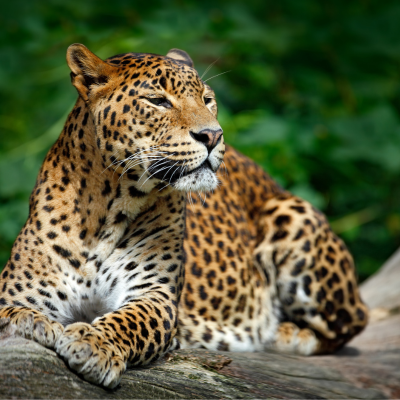
- Yala National Park: Famous for leopard spotting and large elephant herds. Safaris here offer a thrilling glimpse into Sri Lanka’s wild side.
- Wilpattu National Park: Known for ancient ruins hidden amidst dense jungle, along with leopards, sloth bears, and crocodiles.
- Udawalawe National Park: Ideal for watching elephants roam freely in expansive grasslands.
- Sinharaja Forest Reserve: A UNESCO World Heritage rainforest with endemic birds, insects, and flora, perfect for hiking and birdwatching.
Highlands & Scenic Landscapes:
- Central Highlands: Misty mountains, tea plantations, and rolling hills in Nuwara Eliya, Ella, and Horton Plains attract hikers and photographers.
- Knuckles Mountain Range: Offers challenging trails, waterfalls, and remote villages. Ideal for eco-tourists seeking off-the-beaten-path experiences.
Wildlife Tips for Travelers:
- Early morning safaris increase your chances of spotting animals in their natural habitats.
- Hire certified guides to ensure ethical wildlife experiences.
- Respect park rules and avoid disturbing animals; this is essential in any responsible Tourist Guide to Sri Lanka.
With its diverse ecosystems, Sri Lanka offers experiences that connect travelers to nature and wildlife in ways that are both thrilling and educational. A visit to the wild side of the island is a must in any Tourist Guide to Sri Lanka.
Famous Landmarks & Attractions
No Tourist Guide to Sri Lanka is complete without highlighting the island’s iconic landmarks, blending history, architecture, and natural beauty. From ancient cities to colonial forts, Sri Lanka offers a journey through time and culture.
Ancient Cities & Cultural Heritage:
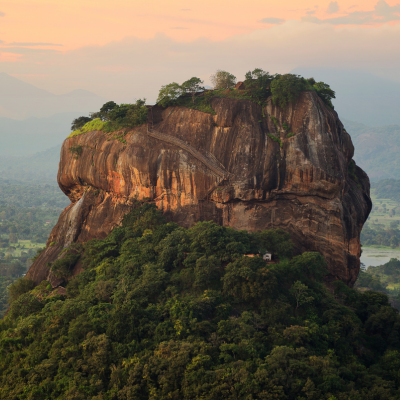
- Sigiriya Rock Fortress: Often called the Eighth Wonder of the World, this UNESCO World Heritage site features stunning frescoes, gardens, and panoramic views.
- Polonnaruwa & Anuradhapura: Explore ancient stupas, stone carvings, and sacred temples that showcase Sri Lanka’s Buddhist heritage.
- Temple of the Tooth (Sri Dalada Maligawa): Located in Kandy, it houses a sacred relic of the Buddha and hosts the grand Esala Perahera festival annually.
Colonial & Coastal Attractions:
- Galle Fort: A beautifully preserved Dutch fort with narrow streets, boutique shops, and colonial architecture.
- Colombo & Mount Lavinia: Experience bustling city life, colonial landmarks, and golden beaches just a short drive from the capital.
Natural Wonders & Scenic Spots:
- Adam’s Peak (Sri Pada): Famous for its sunrise pilgrimage and breathtaking panoramic views.
- Ella Gap & Nine Arches Bridge: Stunning landscapes and picturesque railway views, perfect for photography and hiking.
- Mirissa & Unawatuna Beaches: Golden sands, turquoise waters, and ideal spots for relaxation or water sports.
Tips for Visitors:
- Plan your visits during the dry season (December to April) for easier access and better weather.
- Combine cultural tours with nature explorations for a complete experience in your Tourist Guide to Sri Lanka.
- Hire certified local guides to gain deeper insight into the history and significance of each site.
With its combination of ancient history, colonial charm, and natural beauty, Sri Lanka’s landmarks create unforgettable memories. Including these highlights is essential in any Tourist Guide to Sri Lanka.
Final Thoughts
Sri Lanka has truly earned its place as one of the top destinations for travelers in 2024 and 2025, and it’s easy to see why. From pristine beaches and misty hill country to ancient cities and vibrant cultural festivals, this island packs an unforgettable experience into a compact, easy-to-explore space.
For solo travelers, Sri Lanka is especially welcoming. With friendly locals, affordable accommodations, and well-connected transportation, you can explore with confidence. Whether you’re trekking through the lush Knuckles Range, wandering through the colonial streets of Galle, or sipping tea on a serene hillside veranda in Nuwara Eliya, the island offers a sense of security and ease that makes solo travel enjoyable.
Safety is a key factor that sets Sri Lanka apart. Tourist areas are patrolled by helpful local guides and the tourist police, and communities are generally warm, attentive, and accustomed to international visitors. Combined with the island’s modern connectivity and accessible services, solo travelers can navigate confidently, knowing support is never far away.
Sri Lanka’s charm is not just in its scenery but in its people, culture, and experiences. By choosing homestays or small boutique stays, travelers can connect with locals, learn traditional crafts, or enjoy authentic culinary delights. Whether you’re chasing sunsets on the south coast, watching elephants gather in Minneriya, or attending a temple festival in Kandy, every moment adds to a journey you won’t forget.
A comprehensive Tourist Guide to Sri Lanka will help you plan your ideal itinerary, discover hidden gems, and experience the island beyond the usual tourist spots. From surfing in Arugam Bay to hiking misty trails in Ella, from culinary adventures to cultural immersions, Sri Lanka is an island that keeps giving.
For anyone planning a trip in 2025 or 2026, Sri Lanka proves that it’s not just a destination but a story waiting to be experienced. Using this Tourist Guide to Sri Lanka, you can explore safely, deeply, and joyfully, making memories that last a lifetime.