Tourist Information for Sri Lanka 2025 – Your Happy & Stress-Free Travel Guide
Welcome to your complete guide to tourist information for Sri Lanka! Whether you are planning your first visit or returning to explore more, this guide covers everything you need to know to travel safely, comfortably, and confidently across Sri Lanka. From visas and local customs to transportation, accommodation, food, and health tips, we provide up-to-date advice for all types of travelers. With easy-to-read tips and helpful links, this guide is perfect for global tourists, including those who may not speak English. Start your journey with confidence and discover the beauty, culture, and hospitality that make Sri Lanka a truly unforgettable destination.
Note: We strive to keep all information, especially regarding visas, customs, and government regulations, as accurate and up-to-date as possible. However, changes can occur frequently, and we recommend checking official government websites directly to ensure you have the latest information. This will help you plan your visit to Sri Lanka smoothly and safely.
Table of Contents
Visa Requirements & Entry Guidelines – Tourist Information for Sri Lanka
Sri Lanka welcomes tourists from around the world, but it’s important to understand the visa requirements and entry guidelines before your journey. This section provides up-to-date tourist information for Sri Lanka, covering visa types, application procedures, and essential travel tips to ensure a smooth entry into the country.
1. Do You Need a Visa to Visit Sri Lanka?
Most foreign travelers require a visa to enter Sri Lanka. Nationals of some countries may benefit from visa exemptions or visa-on-arrival arrangements, but it’s essential to confirm your eligibility before traveling.
- Tourist Visa (ETA – Electronic Travel Authorization):
All travelers from visa-required countries must apply for an ETA online. The ETA is typically valid for 30 days and can be extended once in Sri Lanka. - Visa on Arrival:
Some nationalities are eligible for visa on arrival, but using the online ETA system is faster, safer, and ensures smoother entry.
🔹 Tip: Always apply for your ETA through the official government website: https://www.eta.gov.lk.
2. How to Apply for an ETA
The Electronic Travel Authorization is simple to apply for online:
- Visit the official ETA portal.
- Fill in your personal details, passport information, and travel dates.
- Pay the visa fee (usually USD 20–40 depending on nationality).
- Receive your ETA approval via email.
Important: Print a copy of your ETA approval to present at immigration. While most entries are electronic, some checkpoints may ask for a physical copy.
3. Entry Requirements
When entering Sri Lanka, travelers must comply with immigration rules:
- Valid passport with at least six months validity.
- ETA approval for applicable nationalities.
- Return or onward ticket proof.
- Sufficient funds to cover your stay.
- Occasionally, proof of accommodation may be requested.
🔹 Tip: For the most accurate and updated entry guidelines, always check the official Sri Lanka Immigration website: Department of Immigration & Emigration.
4. Special Travel Notes
- Children & Infants: Must have their own passport and ETA if required.
- Visa Extensions: Tourist ETAs can generally be extended once for up to six months in total. Visit the immigration office for extension procedures.
- Travel Insurance: While not mandatory, it’s highly recommended for emergencies, medical needs, and travel interruptions. It is best to obtain your travel insurance at the time of purchasing airline tickets.
5. Covid-19 & Health Entry Guidelines
Travel regulations can change based on health advisories. Always check the latest government updates for any vaccination or testing requirements.
6. Tips for a Smooth Entry
- Apply for your ETA at least one week before travel.
- Keep copies of your travel documents, including passport, ETA, and accommodation bookings.
- Be polite and patient at immigration counters — officers may ask routine questions about your stay.

Customs, Immigration & Arrival Tips – Tourist Information for Sri Lanka
Arriving in Sri Lanka is generally straightforward, but knowing what to expect at customs and immigration can make your entry smooth and stress-free. This guide provides essential tourist information for Sri Lanka, including customs regulations, arrival procedures, and practical tips for first-time visitors.
1. Immigration Clearance
When you land at Bandaranaike International Airport (CMB) or any other international airport in Sri Lanka:
- Present your passport with at least six months validity.
- Show your ETA approval (Electronic Travel Authorization) if required.
- Have your return or onward ticket ready.
- Immigration officers may ask about your accommodation or travel plans.
🔹 Tip: For official information, check the Sri Lanka Department of Immigration & Emigration: http://www.immigration.gov.lk.
2. Customs Regulations
Sri Lanka has strict customs rules to protect local industries and prevent illegal imports. Key points for travelers:
- Prohibited Items: Weapons, narcotics, pornography, endangered species, and counterfeit goods.
- Restricted Items: Certain medications, alcohol, and large sums of foreign currency require declaration.
- Duty-Free Allowances: Typically, travelers can bring limited alcohol, tobacco, and gifts for personal use.
🔹 Official Customs Portal: Sri Lanka Customs – check latest allowances and restricted items before traveling.
3. Tips for a Smooth Arrival
- Keep all documents organized: passport, ETA, flight details, and accommodation info.
- Fill out the arrival card correctly before approaching immigration.
- Declare any restricted or high-value items honestly to avoid fines or confiscation.
- For travelers carrying cash over USD 15,000 or equivalent, declare to customs.
- Be patient and polite; immigration staff may ask routine questions about your stay or itinerary.
4. Currency & Valuables
- Only bring legal tender and avoid carrying excessive foreign currency.
- Exchange money at official exchange counters or banks for safety.
- Keep valuable items with you, not in checked luggage.
5. Health & Safety Advice on Arrival
- Use sanitized transport from the airport to your accommodation.
- Stay hydrated and avoid street food immediately after a long flight until you adjust to local conditions.
- If you have special dietary or medical needs, inform airport staff in advance.
Getting a SIM Card & Staying Connected – Tourist Information for Sri Lanka
Staying connected while traveling in Sri Lanka is easy, and having a local SIM card ensures you can navigate, book rides, and stay in touch with family and friends. Here’s everything you need to know as part of tourist information for Sri Lanka.
1. Major Mobile Providers
Sri Lanka has several reliable mobile networks that offer tourist-friendly SIM cards:
- Dialog – Offers prepaid plans, data bundles, and 4G coverage nationwide.
- Mobitel – Good coverage in cities and rural areas, with affordable data packages.
- Airtel – Popular with budget travelers, also offers 4G and prepaid plans.
🔹 Official Links:
2. Where to Buy a SIM Card
- At the airport: Dialog and Mobitel counters are available at Bandaranaike International Airport (CMB), ideal for immediate connectivity.
- Mobile shops in cities: Available in Colombo, Kandy, Galle, and popular tourist towns.
- Authorized retailers: Ensure you buy from official outlets to avoid counterfeit SIM cards.
3. Documents Required
- Passport (mandatory for registration)
- Tourist visa or ETA confirmation
- Sometimes a local address for registration (can be hotel)
4. Data & Call Packages
- Prepaid plans are recommended for short-term travelers.
- Typical tourist packages include data from 5GB to 30GB, valid for 7–30 days.
- Many providers include free local calls and SMS.
5. Tips for Staying Connected
- Keep your SIM card details in a safe place in case of loss.
- For internet access in hotels or cafes, check for Wi-Fi availability.
- Use apps like PickMe, Uber, Google Maps, and WhatsApp to make travel easier.
6. Travel Apps & Connectivity
Having a local SIM card allows you to use essential apps for navigating Sri Lanka:
- PickMe & Uber – Ride-hailing and tuk-tuk bookings
- Google Maps – Navigation and route planning
- Bus Seat.lk – Booking bus tickets online
- Travel Light Marketplace – Shopping and essentials. this is our own market place where all tourists can list their stuff before flying back and for the Tourists who wants to enjoy flying light knowing that you can buy/rent what you want here – Local listings for sale/rentals are also available here and you can book in advance.
Currency, Money & ATMs – Tourist Information for Sri Lanka
Managing money in Sri Lanka is straightforward, but it’s essential for travelers to be prepared. This guide provides all the tourist information for Sri Lanka you need about currency, payment methods, and ATMs.
Sri Lankan Currency
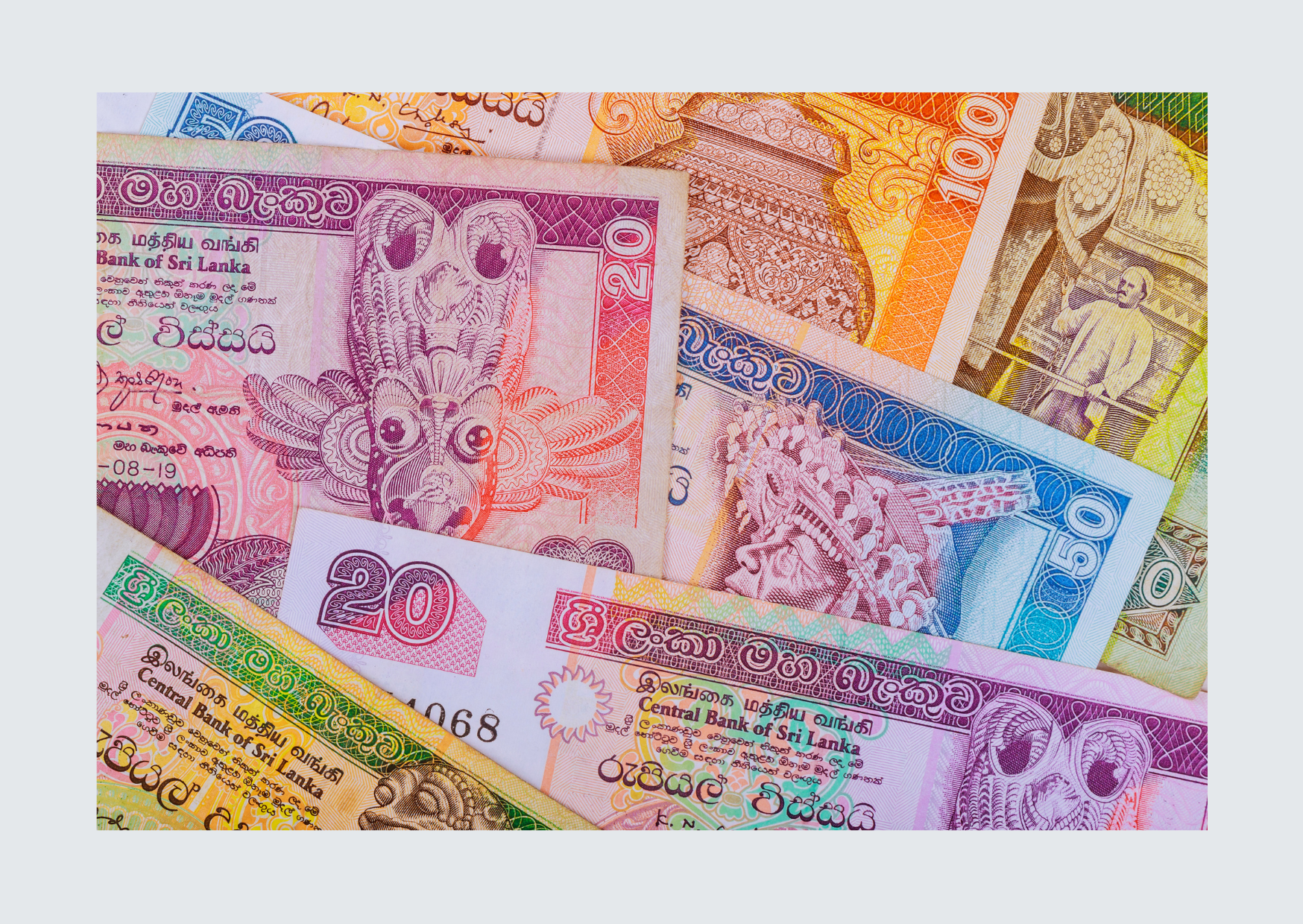
The official currency is the Sri Lankan Rupee (LKR). Banknotes come in denominations of Rs. 10, 20, 50, 100, 500, 1000, and 5000, while coins are available in Rs. 1, 2, 5, and 10. Familiarizing yourself with these will help you avoid confusion when making purchases or paying for transport and local services.
💡 Tip: Always check the current exchange rates before your trip. Websites such as the Central Bank of Sri Lanka provide updated rates and official guidance.
1. Exchanging Money
- Airport Exchange Counters: Available at Bandaranaike International Airport (CMB). Rates are convenient but slightly less favorable.
- Banks & Authorized Money Changers: The safest and most reliable options for exchanging foreign currency. Always ask for the official receipt.
- Hotels: Some hotels offer exchange services, but rates may not be competitive.
2. Using Credit & Debit Cards
Major credit cards (Visa, Mastercard, Amex) are widely accepted in Colombo, Kandy, and other urban centers. For rural areas and small shops, cash is preferred.
🔹 Tip for tourists: Always notify your bank before traveling to Sri Lanka to prevent card blocks.
3. ATMs in Sri Lanka
ATMs are common in cities and tourist areas, providing both local currency withdrawals and international card support. However:
- Some ATMs may charge additional fees for foreign cards.
- Daily withdrawal limits usually apply.
- Not all rural areas have ATMs, so plan ahead if traveling to remote destinations.
4. Safety Tips for Money Handling
- Carry a small amount of cash for daily expenses and use hotel safes for larger amounts.
- Avoid exchanging money with street vendors to prevent scams.
- Use secure wallets or money belts when exploring crowded areas.
For a stress-free trip, it’s essential to know how to manage your finances in Sri Lanka. This tourist information for Sri Lanka ensures you can enjoy your journey without worrying about currency or payment issues.
Transportation Options & Getting Around Sri Lanka
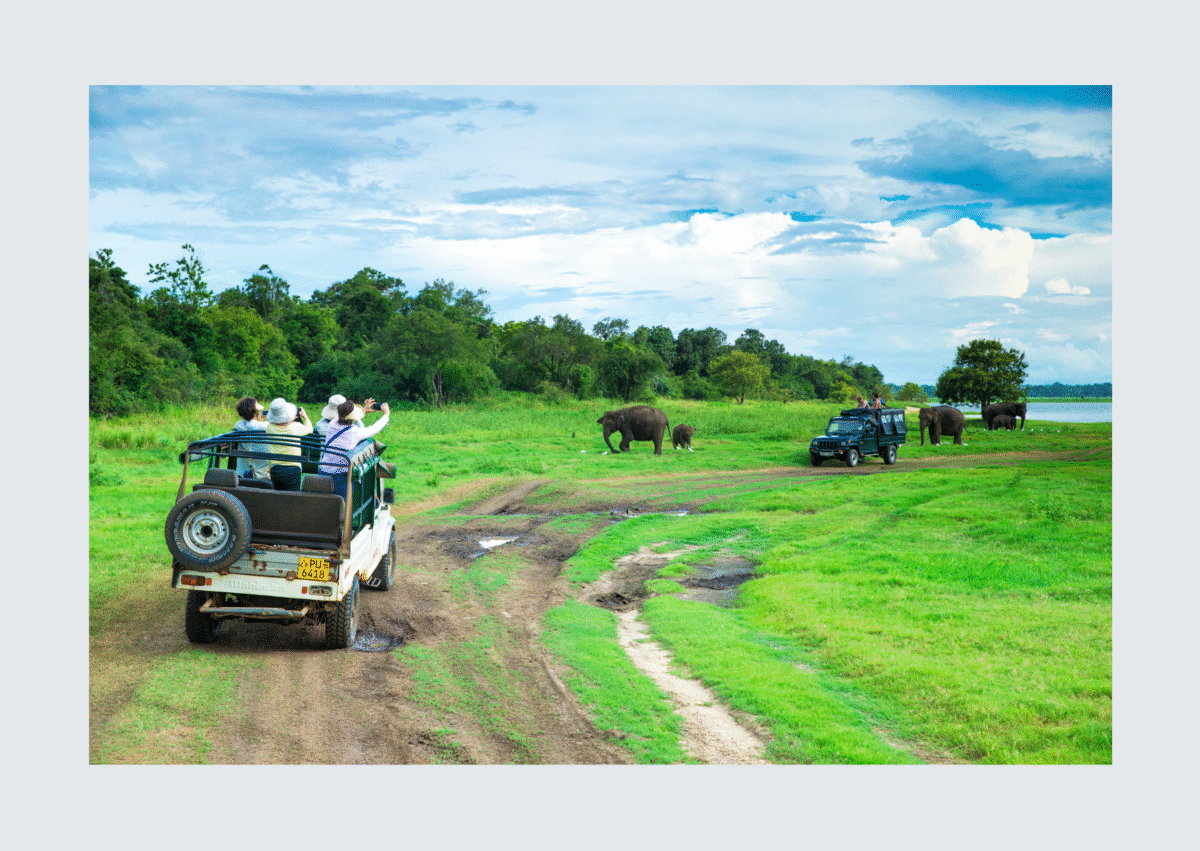
Planning how to get around is an essential part of your trip. This guide provides complete tourist information for Sri Lanka, covering everything from airport transfers to local travel, intercity connections, and vehicle rentals.
1. Airport Transfers
Bandaranaike International Airport (CMB) connects most international flights. Options to reach Colombo, Negombo, or nearby cities include:
- Private Transfers & Taxis: The fastest and most convenient choice. Rates depend on vehicle type and time of day.
🔹 Book Airport Transfers to pre-arrange your ride. - Ride-Hailing Apps: PickMe and Uber operate in major cities, offering cars and tuk-tuks for easy travel.
🔹 Check Ride-Hailing Options here. - Airport Bus Services: Air-conditioned buses to Colombo Fort cost around Rs. 150, ideal for budget travelers.
2. City & Town Travel
- Tuk-Tuks: Fun and flexible for exploring towns. Always agree on a fare or book via apps to avoid overcharging.
🔹 See Tuk-Tuk Options. - Taxis & Ride Apps: Available in Colombo, Kandy, Galle, and other urban areas. Apps provide safe and reliable rides.
- Public Buses: Very cheap (Rs. 30–100), though often crowded. Best for short trips or experiencing local life.
3. Intercity Travel
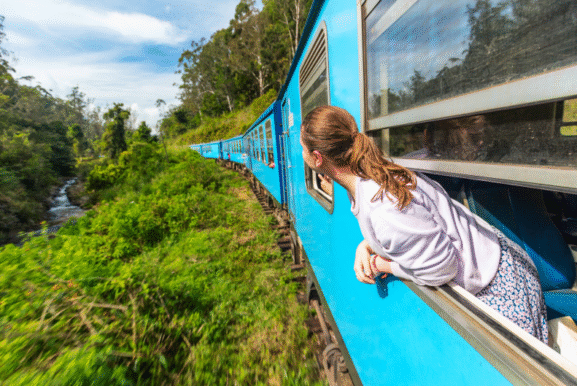
- Trains: Scenic routes like Colombo → Kandy → Ella are budget-friendly and offer incredible views. Booking in advance is recommended.
🔹 Reserve Train Tickets to secure scenic seats. - Buses: Government and private operators connect cities. Air-conditioned coaches are available, but schedules may vary.
🔹 Check Intercity Bus Routes. - Private Cars & Drivers: Ideal for families, groups, or those visiting remote locations. Provides comfort, flexibility, and local knowledge.
🔹 Hire a Private Driver.
4. Vehicle Rentals
- Scooters & Tuk-Tuks: Popular in tourist towns like Hikkaduwa, Mirissa, and Arugam Bay. Always wear a helmet and carry an International Driving Permit (IDP).
🔹 View Scooter & Tuk-Tuk Rentals. - Car Rentals: Available across the country, but self-driving is recommended only for experienced drivers familiar with local traffic conditions.
5. Safety & Driving Tips
- Drive on the left-hand side.
- Road conditions vary; highways are generally smooth, rural roads can be rough.
- Always wear seatbelts or helmets.
- Expect occasional stops from animals, tuk-tuks, and buses.
6. Useful Travel Apps
- PickMe & Uber: Local ride-hailing apps.
- Google Maps: Accurate for navigation by road or train.
- BusSeat.lk: Online bus seat booking (https://www.busseat.lk).
7. Travel Light Marketplace
Traveling light can make your journey easier. Our Travel Light Marketplace allows tourists to buy or sell essential items locally, reducing the need to carry everything from home.
🔹 Explore Travel Light Options.
Accommodation Tips & Best Places to Stay in Sri Lanka
Finding the right place to stay is crucial for any traveler, and our tourist information for Sri Lanka can guide you to the best options. From luxury resorts overlooking golden beaches to cozy hill country guesthouses, Sri Lanka offers accommodations for every budget and travel style. Using this guide, you can make informed decisions about where to stay and enjoy a safe, comfortable, and authentic experience.
1. Choosing the Right Area
When planning your trip, it’s important to know which area suits your travel style. Our tourist information for Sri Lanka highlights:
Colombo: Ideal for business travelers or city explorers. Stay near central areas for easy access to restaurants, shopping, and transport.
Kandy & Hill Country: Perfect for travelers seeking scenic landscapes, tea plantations, and cultural sites.
Galle & Southern Beaches: Best for beach holidays, surfing, and relaxation.
2. Types of Accommodation
Sri Lanka provides options for every kind of traveler, as highlighted in our tourist information for Sri Lanka:
- Luxury Resorts & Hotels: For premium services, private pools, and beachfront views.
- Boutique Hotels & Guesthouses: For a local and authentic experience.
- Budget Hostels & Homestays: Perfect for solo travelers or those traveling on a budget.
Using this information from our tourist information for Sri Lanka, you can choose a stay that fits your needs, comfort level, and budget.
3. Heritage & Unique Stays
Sri Lanka is rich in culture, and our tourist information for Sri Lanka showcases heritage and unique accommodations:
- Heritage Hotels & Villas: Old colonial houses converted into boutique stays, often in Galle Fort, Kandy, or Nuwara Eliya. Combining modern comfort with historic charm, these are highly recommended for cultural travelers.
- Tea Estate Bungalows: Experience life amidst tea plantations, misty hills, and serene landscapes.
- Wellness & Rejuvenation Stays: Resorts specializing in Ayurvedic treatments, yoga retreats, and spa therapies for travelers looking to relax and recharge.
4. Booking Tips
Booking the right accommodation is key. Our tourist information for Sri Lanka advises:
- Book early, especially during peak tourist seasons (December–March and July–August).
- Use reputable booking sites or your Sri Lanka accommodation listings to ensure verified properties.
- Check reviews for cleanliness, safety, and helpful hosts.
5. Staying Safe and Comfortable
Safety is essential. Our tourist information for Sri Lanka highlights these tips for travelers:
- Choose accommodations with 24-hour security or reception.
- Confirm if the property provides airport transfers or local transport assistance.
- For families, check if the accommodation offers child-friendly facilities.
6. Eco-Friendly & Sustainable Stays
Many lodges and boutique hotels focus on sustainability and community engagement. Using our tourist information for Sri Lanka, you can select eco-friendly accommodations that support local communities while minimizing your travel footprint.
Health, Safety & Travel Precautions in Sri Lanka
Ensuring your well-being while traveling is essential. Our tourist information for Sri Lanka provides comprehensive guidance to help visitors stay safe, healthy, and prepared for their journey across this beautiful island.
1. Health Precautions
Travelers should prioritize their health during their stay. According to our tourist information for Sri Lanka:
- Vaccinations: Routine vaccines like Tetanus, Hepatitis A & B, and Typhoid are recommended. Check with your local travel clinic before departure.
- Mosquito Protection: Dengue fever and chikungunya are present, especially during the rainy season. Use mosquito repellent, wear long sleeves, and sleep under mosquito nets if needed.
- Food & Water Safety: Drink bottled water, avoid ice in drinks from uncertain sources, and enjoy freshly cooked meals from trusted vendors.
2. Travel Insurance & Medical Assistance
Our tourist information for Sri Lanka emphasizes the importance of travel insurance:
- Always have a policy covering medical emergencies, accidents, and theft.
- Keep the local hospital and clinic contacts handy.
- Major cities like Colombo, Kandy, and Galle have well-equipped hospitals for emergencies.
3. Personal Safety
Sri Lanka is generally safe for tourists, but taking precautions is advised. Our tourist information for Sri Lanka recommends:
- Avoid walking alone late at night in unfamiliar areas.
- Keep valuables in hotel safes or secure pouches.
- Use registered taxis or ride apps like PickMe and Uber for safer transportation.
4. Road & Travel Safety
Traveling around Sri Lanka can be an adventure, but safety is key:
- Drive on the left side of the road; be cautious of narrow and winding roads in rural areas.
- Wear seatbelts in cars and helmets on scooters or tuk-tuks.
- Expect occasional unexpected stops due to animals, pedestrians, or local traffic.
5. Natural Hazards & Weather Awareness
Our tourist information for Sri Lanka advises travelers to stay alert for seasonal weather hazards:
- Monsoon rains can cause flooding or landslides, particularly in hill country.
- Keep track of local weather updates and avoid risky areas during storms.
- Always carry a small first aid kit and emergency contacts.
6. Staying Informed
The best way to travel safely is to stay informed. Our tourist information for Sri Lanka recommends:
- Follow local news or government advisories for travel updates.
- Use mobile apps for emergency numbers and directions.
- Respect local rules and cultural practices to ensure a smooth, safe trip.
Culture, Etiquette & Local Customs in Sri Lanka
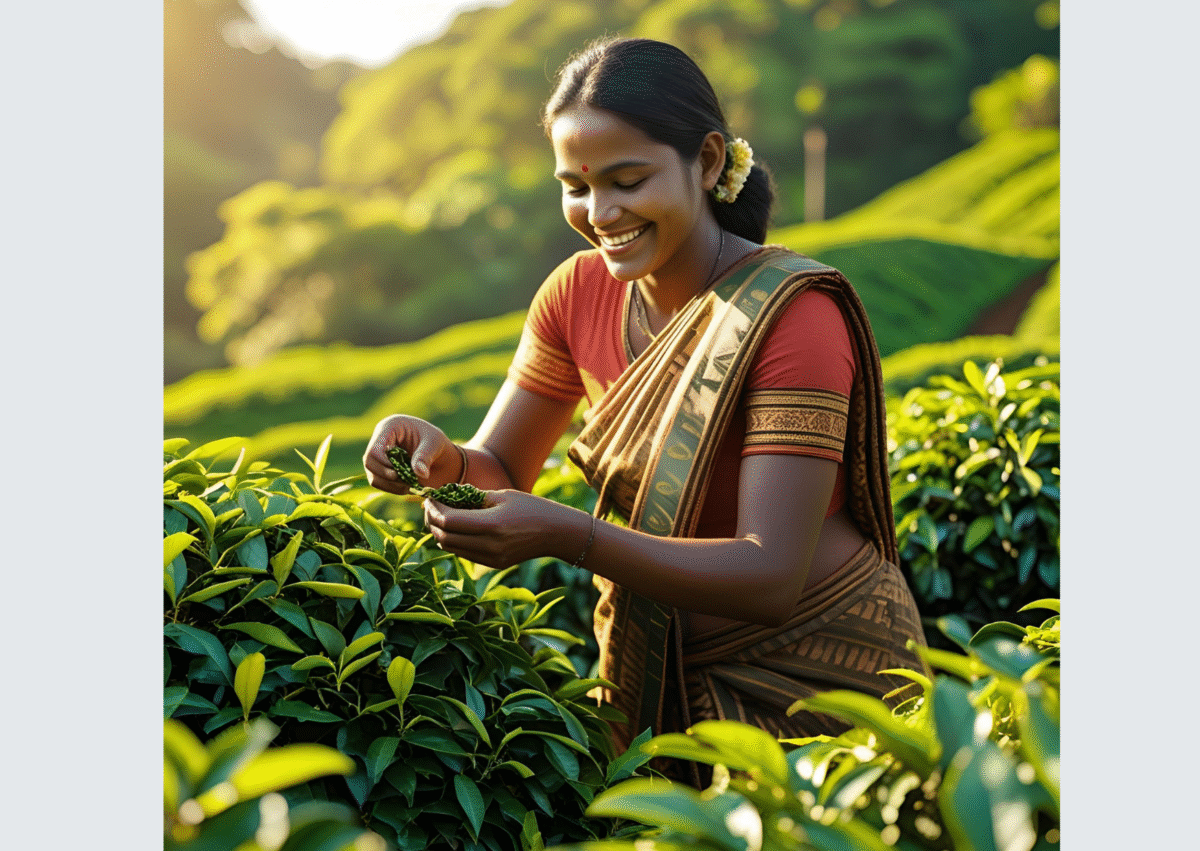
Sri Lanka is a country rich in cultural heritage, where traditions, religion, and social etiquette shape daily life. Understanding these customs enhances your visit and ensures respectful interactions. Our tourist information for Sri Lanka highlights essential cultural practices and etiquette tips for travelers.
1. Greetings & Respect
- A traditional greeting is a slight bow with palms pressed together (“Ayubowan”), showing respect to elders and locals.
- Always address people politely, and avoid raising your voice in public.
- Smiling is a big part of Sri Lankan culture. Locals love to smile at visitors, but returning a smile is considered polite—failing to do so may be seen as rude.
- According to our tourist information for Sri Lanka, showing respect for elders and monks is highly appreciated.
2. Dress Code
- Dress modestly, especially when visiting temples or religious sites. Shoulders and knees should be covered.
- Shoes must be removed before entering homes and sacred places.
- Our tourist information for Sri Lanka emphasizes that proper attire reflects cultural sensitivity.
3. Public Behavior & Affection
- Public displays of affection are discouraged. Holding hands is generally acceptable, but kissing and hugging are not common in public areas.
- Avoid pointing your feet at people or religious artifacts.
- Following these guidelines is a key part of respectful conduct, noted in our tourist information for Sri Lanka.
4. Eating Etiquette
- Eat with your right hand, as the left hand is considered unclean.
- Sharing food is seen as a gesture of friendship and goodwill.
- Using utensils is common in hotels, but locals often prefer hand-eating traditions.
- Our tourist information for Sri Lanka encourages travelers to observe and respect these dining customs.
5. Temple & Religious Customs
- When visiting Buddhist temples, avoid loud talking and photography restrictions.
- Women should avoid touching monks or sacred objects.
- Our tourist information for Sri Lanka notes that donations and respectful behavior at temples are appreciated.
6. Festivals & Celebrations
- Participate respectfully in local festivals like Vesak, Sinhala & Tamil New Year, and Kandy Perahera.
- Ask permission before taking photographs of people during celebrations.
- These insights from our tourist information for Sri Lanka help visitors experience local culture authentically.
7. Practical Tips
- Learn a few Sinhala or Tamil phrases; locals appreciate the effort.
- Always ask before taking photos of individuals or religious ceremonies.
- Observe local customs in markets, transport, and public spaces to show respect.
Weather, Climate & Best Time to Visit Sri Lanka
Understanding the weather and climate is essential for planning a perfect trip. Our tourist information for Sri Lanka helps visitors choose the ideal time to explore the island based on activities, festivals, and regional weather patterns.
1. Climate Overview
Sri Lanka has a tropical climate with two distinct monsoon seasons affecting different regions. According to our tourist information for Sri Lanka:
- Southwest Monsoon (May to September) affects Colombo, Galle, and the southwest coast.
- Northeast Monsoon (December to February) brings rain to Trincomalee, Jaffna, and the northeast coast.
- The central hill country, including Kandy and Nuwara Eliya, enjoys cooler temperatures year-round.
2. Best Time to Visit for Beaches
Beach lovers should plan according to the region:
- West & South Coast: December to March is ideal for sunny beach days and calm seas.
- East Coast: April to September offers the best weather for swimming and water sports.
3. Best Time for Cultural Festivals
Our tourist information for Sri Lanka highlights the importance of timing visits around festivals:
- Kandy Esala Perahera (July/August): A spectacular cultural procession of elephants, drummers, and dancers.
- Sinhala & Tamil New Year (April): Experience traditional games, rituals, and festive foods.
- Vesak Festival (May): Celebrates the birth, enlightenment, and passing of Buddha with lanterns and decorations.
4. Best Time for Nature & Adventure
Sri Lanka’s hill country and wildlife parks are best enjoyed at specific times:
- Hiking and Tea Plantations (January to April): Clear skies make hill country treks more enjoyable.
- Wildlife Safaris: Dry seasons in Yala (May to September) and Minneriya (June to September) allow better sightings.
5. Planning Your Trip
By following our tourist information for Sri Lanka, travelers can plan a trip that suits their interests:
- Consider festivals, regional climate, and personal preferences.
- Avoid heavy monsoon periods if you want uninterrupted beach or sightseeing days.
- Pack accordingly, from lightweight clothing for lowlands to layers for cooler hill regions.
6. Staying Updated
Weather conditions can change unexpectedly. Our tourist information for Sri Lanka recommends checking official meteorological updates before travel and monitoring local news for any alerts.
Local Food, Dining & Culinary Experiences in Sri Lanka
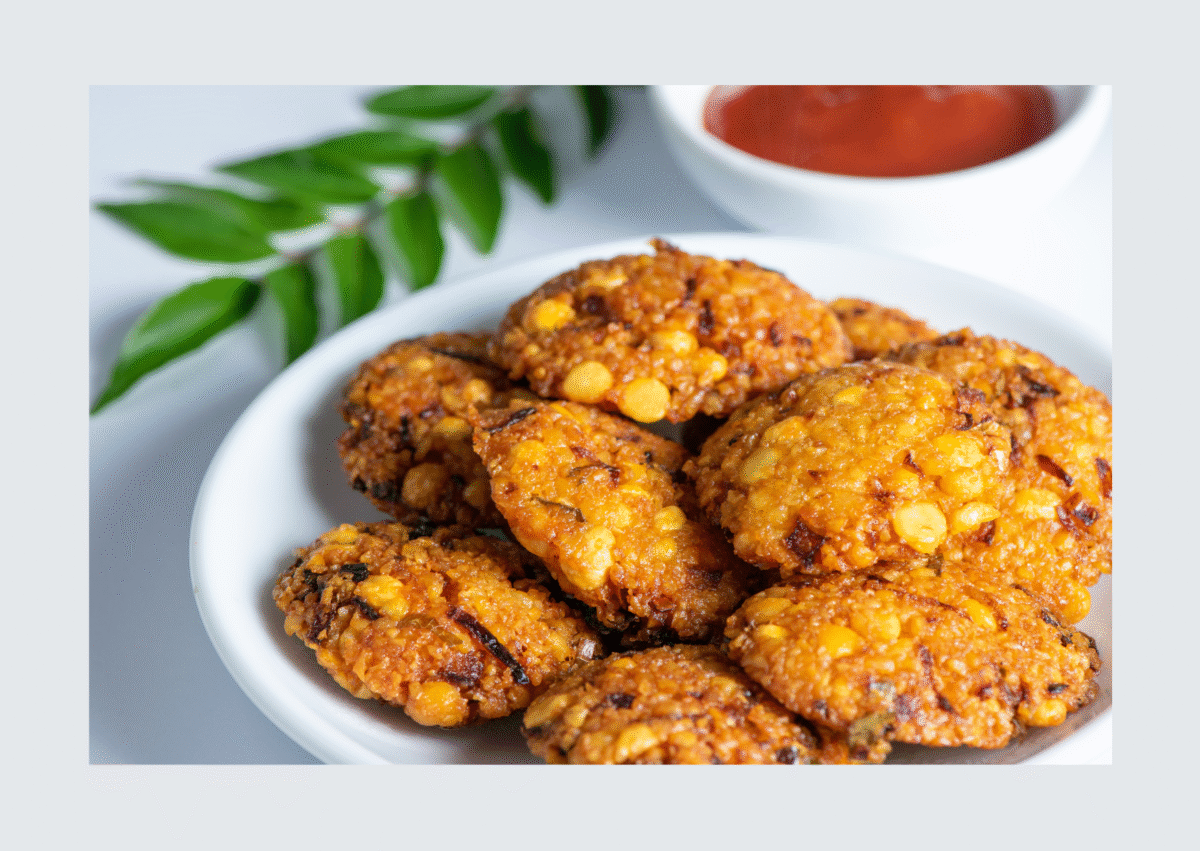
Sri Lanka is a paradise for food lovers. From spicy curries to tropical fruits and street food delights, the island offers a variety of flavors that reflect its rich history and diverse cultures. Our tourist information for Sri Lanka guide helps you navigate the best dining experiences across the country.
1. Must-Try Dishes
- Rice and Curry – A staple of Sri Lankan cuisine, often served with multiple vegetable and meat side dishes.
- Hoppers (Appa) – Bowl-shaped pancakes, sometimes with an egg in the center, enjoyed for breakfast or dinner.
- Kottu Roti – Chopped roti stir-fried with vegetables, eggs, or meat, a popular street food.
- Seafood & Coastal Specialties – Coastal towns like Galle and Negombo are known for fresh fish, prawns, and crab curries.
- Following our tourist information for Sri Lanka, travelers can find recommended restaurants and local eateries that serve authentic dishes.
2. Street Food & Local Markets
- Street food is an essential part of Sri Lankan culinary culture. Try samosas, isso vade (prawn fritters), and king coconut water from local vendors.
- Visit local markets for tropical fruits like rambutan, mangosteen, and durian.
- Our tourist information for Sri Lanka encourages exploring local markets for both taste and cultural immersion.
3. Dining Etiquette
- Eating with your right hand is customary, particularly in traditional settings.
- Sharing food is a gesture of friendship and hospitality.
- Always ask for permission before taking photos of food vendors or market stalls.
- This etiquette is highlighted in our tourist information for Sri Lanka to help travelers respect local customs.
4. Heritage & Unique Dining Experiences
- Heritage Restaurants – Many colonial-era buildings and restored homes now serve traditional Sri Lankan dishes.
- Rejuvenation & Wellness Stays – Some resorts and Ayurvedic centers combine culinary experiences with wellness retreats, offering healthy local meals.
- Tea Estate Dining – Enjoy freshly prepared meals with panoramic views at tea plantations in Nuwara Eliya or Ella.
- Our tourist information for Sri Lanka section lists these unique dining experiences for travelers seeking more than standard restaurant meals.
5. Food Festivals
- Participate in festivals like the Kandy Perahera or Negombo Sea Food Festival, which showcase local culinary specialties.
- These events are great opportunities to experience the flavors of Sri Lanka in a festive atmosphere, as noted in our tourist information for Sri Lanka.
6. Practical Tips
- Ask for mild versions of curries if you’re not used to spicy food.
- Drink bottled or filtered water to stay safe while enjoying street food.
- Check local recommendations or use our tourist information for Sri Lanka resources to find the best dining spots.
What to Pack & Travel Essentials for Sri Lanka
Packing smartly is key to a comfortable and enjoyable trip. Our tourist information for Sri Lanka provides tips on must-have items for every traveler.
Clothing
- Lightweight, breathable clothes for the tropical climate.
- Modest clothing for visiting temples and religious sites.
- A light rain jacket or poncho for sudden showers, especially during monsoon seasons.
Travel Essentials
- Comfortable walking shoes for city tours and nature excursions.
- Sun protection: sunscreen, sunglasses, and a hat.
- Reusable water bottle to stay hydrated.
- Basic first-aid kit with medications you may need.
Technology & Connectivity
- Power adapter (Sri Lanka uses Type D and G plugs).
- Mobile phone with SIM card or roaming enabled (see our Getting a SIM Card & Connectivity guide).
- Portable charger/power bank for long day trips.
Optional & Specialty Items
- Travel backpack or daypack for excursions.
- Swimwear for beaches and water activities.
- Lightweight scarf or shawl for visiting religious sites.
💡 Travel Tip: Before packing bulky or specialty items, check the local travel market. Many items—like snorkel gear, beach umbrellas, or trekking equipment—can be rented or bought locally at reasonable prices. This can save space, avoid excess luggage fees, and even be cheaper than bringing everything from home.
By following these packing suggestions, you’ll be well-prepared and comfortable throughout your trip, as recommended in our tourist information for Sri Lanka.
Useful Apps & Websites for Travelers in Sri Lanka
Staying informed and connected is essential for a smooth trip. This guide highlights the most helpful apps, websites, and contacts to make traveling in Sri Lanka easier, safer, and more enjoyable.
Travel & Transportation Apps
- PickMe – The leading local ride-hailing app for taxis, tuk-tuks, and car options in major cities.
- Uber – Available in Colombo and select urban areas, providing reliable rides with upfront fares.
- Google Maps – Essential for navigating roads, public transport routes, and scenic destinations.
- Bus Seat.lk – Check schedules and book bus tickets online for intercity travel: https://www.busseat.lk.
Accommodation & Verified Booking
- Rush Lanka – A trusted platform for verified and safe accommodation in Sri Lanka.
Whether you prefer city hotels, heritage stays, or medical & rejuvenation retreats, Rush Lanka ensures quality and peace of mind for all travelers.
Immigration, Visa & Customs
- Department of Immigration and Emigration – https://www.immigration.gov.lk
Official site for visa requirements for Sri Lanka and entry guidelines. - Sri Lanka Customs – http://www.customs.gov.lk
Details on duty-free allowances, prohibited items, and baggage regulations. - Electronic Travel Authorization (ETA) – https://eta.gov.lk
Apply for your tourist visa online before arrival.
Tourism & Local Information
- Sri Lanka Tourism Official Website – https://www.srilanka.travel
Up-to-date travel information and official guidelines for tourist information in Sri Lanka. - Sri Lanka Railways Seat Reservation – https://seatreservation.railway.gov.lk
Essential for booking scenic train journeys like Colombo → Kandy → Ella.
Safety, Health & Emergency Services
- Ministry of Health Sri Lanka – https://www.health.gov.lk
Current travel advisories, vaccination info, and health precautions. - Tourist Police – Dial 1912 for assistance anywhere in Sri Lanka.
- Emergency Services – Police (119), Ambulance (110), Fire (110)
💡 Traveler Tip: While we strive to keep this guide updated, it’s always best to check official websites directly. Guidelines for visas, transport, and accommodation in Sri Lanka can change frequently, and reviewing firsthand ensures you have the latest information.